
SXS Student Summit 2022

Student: a mindset, not an enrolment status.
STICKS & STONES started this year’s LGBTIQ+ history month with the first edition of the SXS Student Summit. The focus of this online conference was to shed light on the experiences of LGBTIQ+ folx in higher education, whether they be pupils, professors or deans. We welcomed an international community of students, with over 20 different countries represented, to learn from one another and to share their stories.
To provide you with context, in 2021, our sister-project Proudr conducted research on the LGBTIQ+ Diversity & Inclusivity of higher education institutions (HEI) in Germany, Austria and Switzerland (DACH Region). This LGBTIQ+ Campus Index (link) was founded on 62 DACH HEIs completing Proudr’s questionnaire. Generally, these HEIs were open to measures and changes that would help them create a more inclusive LGBTIQ+ campus culture.
Looking at their results per category, we found that only 13 of the HEIs scored above 80% in their communication and commitment to LGBTIQ+ issues. And only 14 of them scored above 80% in their efforts to protect LGBTIQ+ from discrimination. The greatest need of improvement areas were initiatives, commitment, and further offerings, with an average score of 40%. On average, the HEIs scored 37% in the LGBTIQ+ diversity management and processes category and the lowest average score in expertise, advancement and consultation at 30%.
We used this research as the backdrop to build the program of Student Summit. Curating talks and workshops would fill the gap created by a lack of resources and slow bureaucracy. To give LGBTIQ+ students, staff, professors, deans and their allies a platform to network, learn and grow alongside one another.
Our bilingual program was filled with talks, workshops and panels – providing visitors with four different sessions to choose from at any given time. Over in English workshops, the day started with a panel on allyship and safer spaces. The panellists offered an American, Australian and European perspective on training programmes, research and resources relating to allyship. The emphasis on authenticity stood out to us – from the trainers to the participants. The panel highlighted that the people providing the allyship training need resources and passion, which is complemented by those attending having the willingness and dedication to apply themselves and learn on a long term basis. Naturally, our panellists encouraged students to voice their needs and speak up about how allyship trainers could benefit them.
Mental health and stigma, Being queer in Vienna, Trans* activism…
The scope of the sessions was broad, and even on similar subjects, perspectives differed. For instance, Karin presented her research on the lives of LGBTIQ+ youth in Vienna, which were much happier than the “young queer victim” 's stereotype. Meanwhile, Jonas provided a workshop about destigmatising mental health and conceptualising methods of empowerment for queer students. Both Karin and Jonas shed light on the queer youth they were focusing on while showing two different realities. While also empowering and celebrating, this is the witnessing we were aiming for with the Student Summit. We ultimately aimed to inspire students, which we feel like our speakers were able to achieve. Especially those who took to the stage to share their personal stories. Max shared their story as a trans* activist and PhD student, inspiring us all to celebrate ourselves and our queerness. While Lino guided the audience through advice, he would have liked to hear when he started his undergraduate studies roughly six years ago.
As organisers, we’re incredibly grateful to all the fantastic speakers who shared their insights, tools and wisdom with us at the Student Summit. And we’re delighted that our visitors felt the same way:
“Being in this safe space with all those amazing people and learning about all the different perspectives and issues, some of which I have never thought about before, was eye-opening and made me feel a lot less alone and desperate for connection and belonging. Thank you so much for this opportunity.” (Eileen, Student Summit Visitor).
We’re proud to have facilitated a conference for LGBTIQ+ higher education folx to gather, learn from one another and witness each other. Now over to you, what do you think can be learnt from the Student Summit? Are HEIs doing enough for their LGBTIQ+ communities? What would you do to improve them?
Post-Student Summit Goodies
We’ve amassed a variety of resources for students to use post-Student Summit. These resources aim to provide you with a starting point for a range of different topics – from inclusive language to coming out to professors. Also, you now have access to the recordings of talks*, which took place during the Student Summit.
*from the speakers who have given us their consent.
Let us know if you’d be interested in another edition of the Student Summit
Wie Bain Diversity fördert – und feiert:
„Als Mitglied der Affinity Group Asians at Bain habe ich ein Fest zum chinesischen Neujahr organisiert und zusammen mit Kolleg:innen gefeiert. Es war unheimlich schön zu sehen, was Bain unternimmt, um kulturelle Vielfalt zu zelebrieren und dafür zu sorgen, dass wir uns wie zuhause fühlen.“
Meng, Consultant im Münchner Office
„Obwohl ich mit einem völlig anderen fachlichen Hintergrund bei Bain eingestiegen bin, haben mir meine Kolleg:innen sofort vertraut. Häufig wurde mir gesagt, wie sehr mein Input geschätzt wird, gerade weil ich eine andere Perspektive mitbringe. Es sind diese Momente, die für mich Wertschätzung bedeuten.“
Heidi, Vice President, Bain Executive Network
„Englisch als Trainings- und Eventsprache zu nutzen ist eine kleine, aber sehr wirkungsvolle Geste. Zudem sorgt die Arbeit mit Kolleg:innen verschiedener ethnischer oder kultureller Hintergründe dafür, dass ich mich zugehörig und sehr wohl fühle.“
Annisa, Senior Analyst, Global Risk Management
2021 wurde Bain zum 15. Mal in Folge als „Best Place to Work for LGBTQ Equality” ausgezeichnet. Inwieweit wird das Unternehmen dieser Auszeichnung gerecht?
Zum einen trägt der Teamspirit zu einem inklusiven Arbeitsumfeld bei – das Motto „A Bainie never let’s another Bainie fail“ ist täglich spürbar. Alle sind dazu angehalten, ihre Einzigartigkeit in die Arbeit mit einzubringen. Ein weiterer wichtiger Aspekt: die zahlreichen Arbeitsgruppen im Bereich Diversity und Inklusion, die regelmäßig zu verschiedenen Themen informieren und sie damit in den Fokus rücken. Zudem hat jedes Office Ansprechpartner:innen, an die man sich wenden kann – sei es bei schlechten Erfahrungen im Arbeitskontext, bei Berührungsängsten oder jeglichen anderen Problemen. Dass diese Anliegen ernstgenommen werden, zeigt, dass auch die Führungsebene sich stark dafür einsetzt, unsere Belange nach vorne zu tragen. Zu guter Letzt gibt es auch einige Affinity-Groups, denen man sich anschließen und dort im vertrauten Kreis Erfahrungen austauschen kann. Dies ist in besonderem Maße wertvoll und zahlt auf ein inklusives Arbeitsumfeld ein.
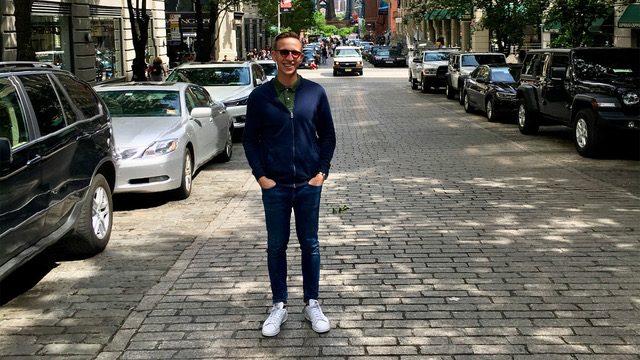
Dr. Christian Granz, Consultant im Düsseldorfer Bain Office
Eine der von dir bereits angesprochenen Affinity-Groups ist das Netzwerk BGLAD. Erzähle uns doch etwas mehr darüber.
BGLAD ist die globale Affinity-Group für Bain‘s LGBTQ+ Netzwerk, um das Recruiting, aber natürlich auch den Zusammenhalt von LGBTQ+-Talenten im Unternehmen zu fördern. Unser Ziel ist, dass sich kein Bainie hinter seiner Herkunft, sexuellen Orientierung, Religion etc. verstecken muss, ganz nach dem Motto „We are one Bain“. Durch verschiedene sogenannte ‚Levels‘ der Mitgliedschaft wird es jedem Bainie ermöglicht, Teil von BGLAD zu sein – so wie man sich am wohlsten fühlt. Von Level 1 BGLAD-Mitgliedern, die geoutet und offen Teil der Gruppe sind bis hin zu Level 4 Mitgliedern, den sogenannten Allies. Sie fühlen sich der LGBTQ+ Affinity Group zwar nicht zugehörig, unterstützen das BGLAD Netzwerk jedoch auf verschiedene Arten.
Wie trägt BGLAD konkret zu einem noch inklusiveren Arbeitsumfeld bei Bain bei?
Zum einen bieten wir mit dem Netzwerk die Möglichkeit einer Gemeinschaft, in der man sich zu verschiedenen Themen und Erfahrungen in einem vertraulichen Umfeld austauschen kann. In der DACH-weiten BGLAD Affinity Group gibt es beispielsweise die Möglichkeit, regelmäßig an virtuellen Coffee Chats teilzunehmen. Vor der Pandemie gab es die BGLAD-Wiesn und noch viele weitere Social-Events. Neben diesen eher gesellschaftlichen Zusammenkünften sind wir aber auch immer stärker im Recruiting aktiv. Dazu gehören unter anderem DE&I-spezifische Recruitingevents, Messen, aber auch internationalen Konferenzen wie die EUROUT in London. Eine weitere Maßnahme, an der wir derzeit arbeiten, ist, BGLAD stärker in den gesamten Recruitingprozess einzubinden. Bewerber:innen werden die Möglichkeit erhalten, ihr Interesse an BGLAD oder anderen Affinity Groups bei Bain bereits bei der Bewerbung durch das Setzen eines Häkchens kundzutun. Damit würden wir gerne erreichen, dass diese Bewerber:innen im Vorhinein ihres Interviews von uns kontaktiert werden können und das Netzwerk kennenlernen. Wir möchten den Leuten einfach ein sicheres Gefühl geben, worauf sie sich einlassen. Zu guter Letzt ist es uns auch ein Anliegen, das Thema LGBTQ+ bei Bain noch stärker medial nach außen zu kommunizieren und zu zeigen, dass wir dem offen gegenüberstehen und hier auch wirklich investiert wird.
Wie kann jede:r Einzelne im Unternehmen zu mehr Inklusion beitragen?
Auf das BGLAD-Netzwerk bezogen hilft es natürlich ungemein, als Ally zu unterstützen. Aber es zählen auch die kleinen Dinge, wie zum Beispiel, allen Kolleg:innen im täglichen Miteinander mit Wertschätzung gegenüberzutreten. Oder inklusiv zu kommunizieren und sich auf Fakten zu stützen, um einen sogenannten „Unconscious Bias“ zu vermeiden. Wichtig ist es meiner Meinung nach auch, Personen aus Affinity Groups so zu behandeln, wie jede:n anderen auch. Bei Bain war das für mich noch nie ein Problem: Kolleg:innen erzählen von Unternehmungen mit ihren Freund:innen und ich erzähle von Unternehmungen mit meinem Freund und das wars. Das wird von niemandem hinterfragt und es wird auch nicht näher darauf eingegangen.
Eine abschließende Frage: Was würdest du Mitgliedern der LGBTQ+-Community bei der Arbeitgeberwahl raten?
Unter der Prämisse, dass man sich damit wohlfühlt, kann ich nur den Tipp geben: Spreche das Thema Diversity und insbesondere LGBTQ+ bereits in den Bewerbungsgesprächen offen an, um herauszufinden, wie im Unternehmen damit umgegangen wird. Stehe zu dir selbst und zeige, wer du bist! Falls dies nicht akzeptiert wird, ist das Unternehmen kein DE&I-freundlicher Arbeitgeber und auch nicht das Richtige für dich. Falls es Affinity-Groups gibt, suche den Kontakt, um mehr Infos zum Thema Inklusion und zur Unternehmenskultur zu erhalten. Natürlich ist das auch sehr stark industrieabhängig, nicht jede Branche ist diesbezüglich schon so weit wie die Beratung. Sollte die offene Kommunikation keine Option sein, suche das Gespräch mit der Personalabteilung, denn dort ist Bewerber:innen die vertrauliche Behandlung sämtlicher Anliegen garantiert.
Mehr zum Thema Diversity bei Bain: joinbain.de/culture/diversity